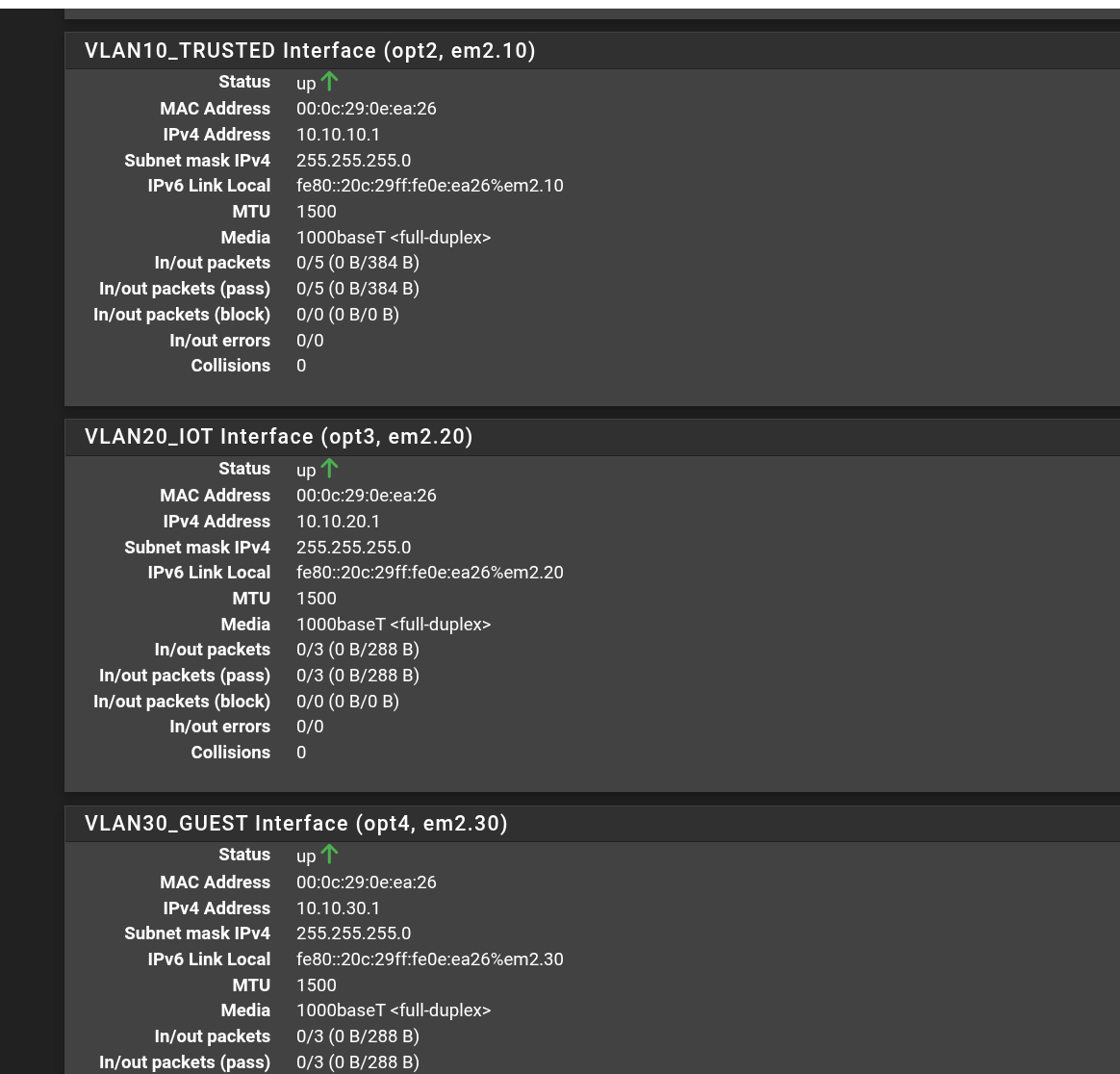
All three VLAN interfaces online at their gateway IPs on pfSense

Virtual VLAN Segmentation on pfSense — Three Isolated Zones, No Managed Switch

A flat network trusts every device on it equally. A smart plug, a guest’s phone, and the machine holding my important data all share one space — so if any one of them is compromised, the attacker can reach the rest. Network segmentation breaks that flat space into separate zones and controls what may cross between them, shrinking the blast radius of any single compromise. I wanted to build that properly — VLANs and a firewall — on VMware Workstation with pfSense CE, and design three zones at deliberately different trust levels: ...
12 July 2026
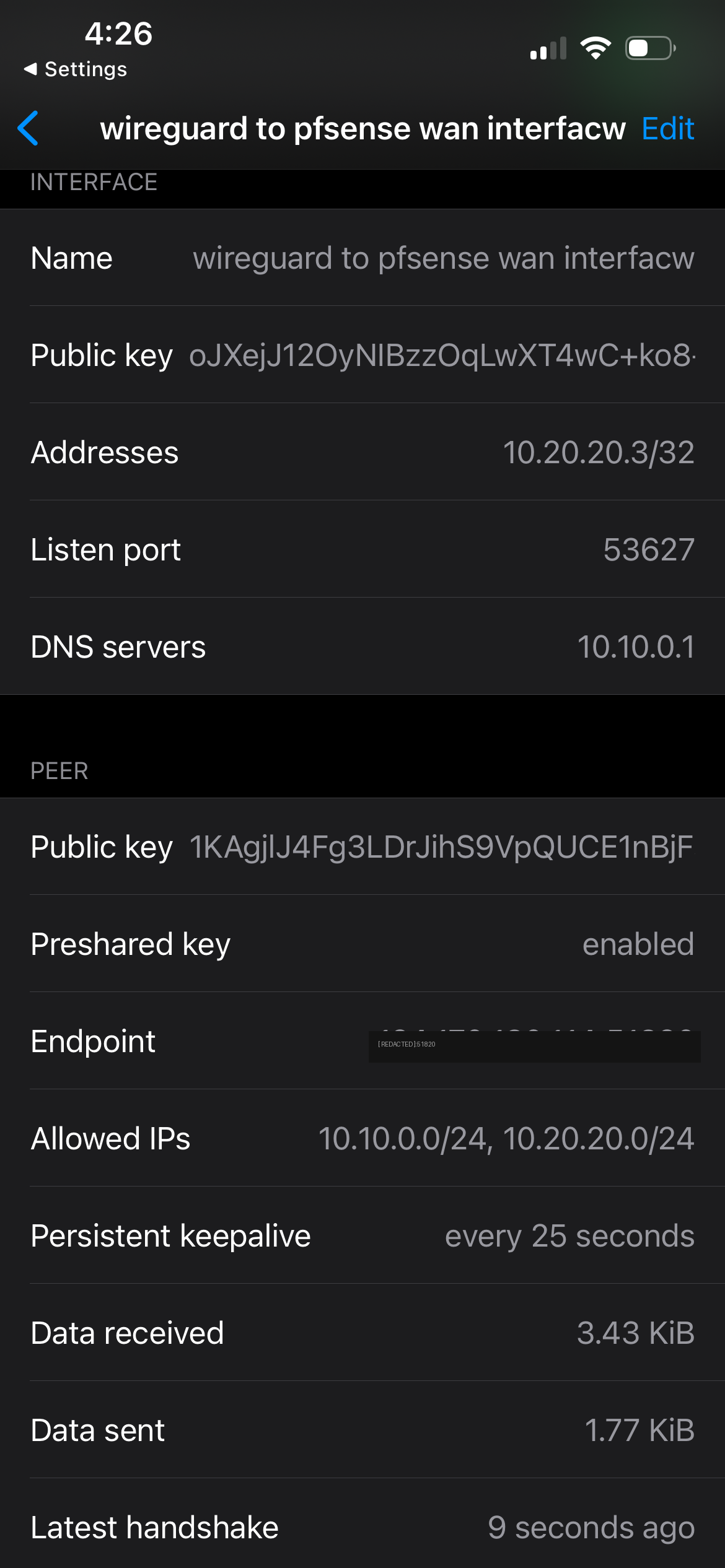
WireGuard handshake established over mobile data

Self-Hosted WireGuard Through a Nested Firewall — and the Four-Layer Debug to Make It Work

My lab is deliberately isolated — an automation VM (CLAUDDEB) sits behind a virtual pfSense firewall on a segment (10.10.0.0/24) that my home network can’t reach. That isolation is great until you’re out of the house and want to check your Grafana dashboards, which only listen inside that segment. I already use Tailscale for casual remote access, and I’ll be honest up front: for pure convenience, Tailscale wins — it punches through NAT automatically with zero firewall work. But this project wasn’t about convenience. It was about building the thing Tailscale is made of. Tailscale is WireGuard under the hood; hand-rolling raw WireGuard on pfSense teaches you how VPNs actually work — keys, peers, routing, firewall rules, NAT — at a level the managed tool deliberately hides. So I built it from scratch, kept Tailscale as my daily driver, and got a genuinely brutal debugging lesson in the process. ...

11 July 2026
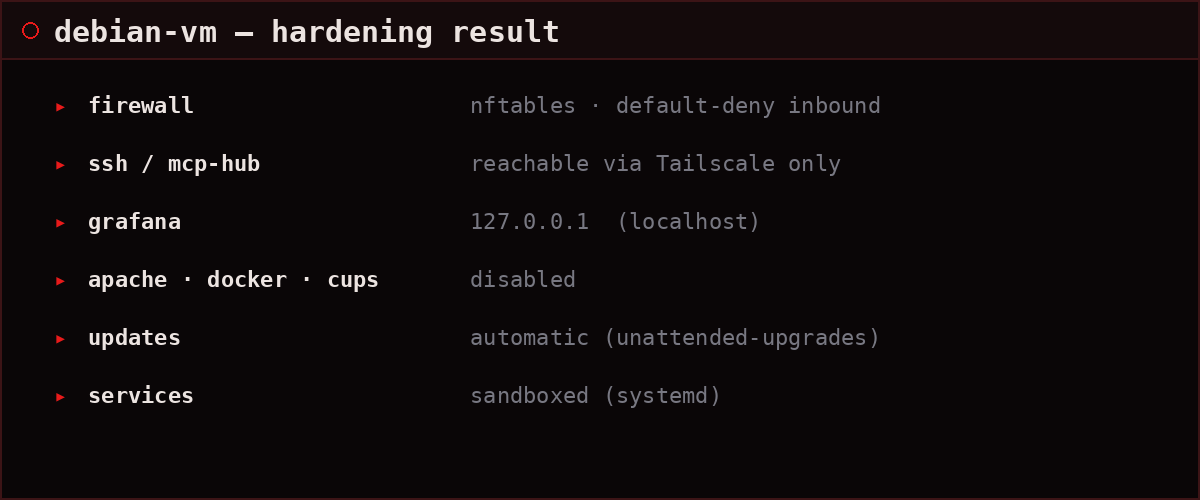
Terminal summary of the VM hardening result

Hardening My Debian Home-Lab VM — Even Behind pfSense

My Debian automation VM already sits behind a pfSense firewall with egress containment — it can reach the internet but not my home network. So why harden the VM itself? Because “behind a firewall” is doing less work than it sounds. Two paths reach into the VM without ever crossing pfSense, and an honest audit of my own box turned up drift I didn’t expect. This is the write-up: what the audit found, what I changed, and the systemd sandbox mistake that quietly broke a service. ...

7 July 2026
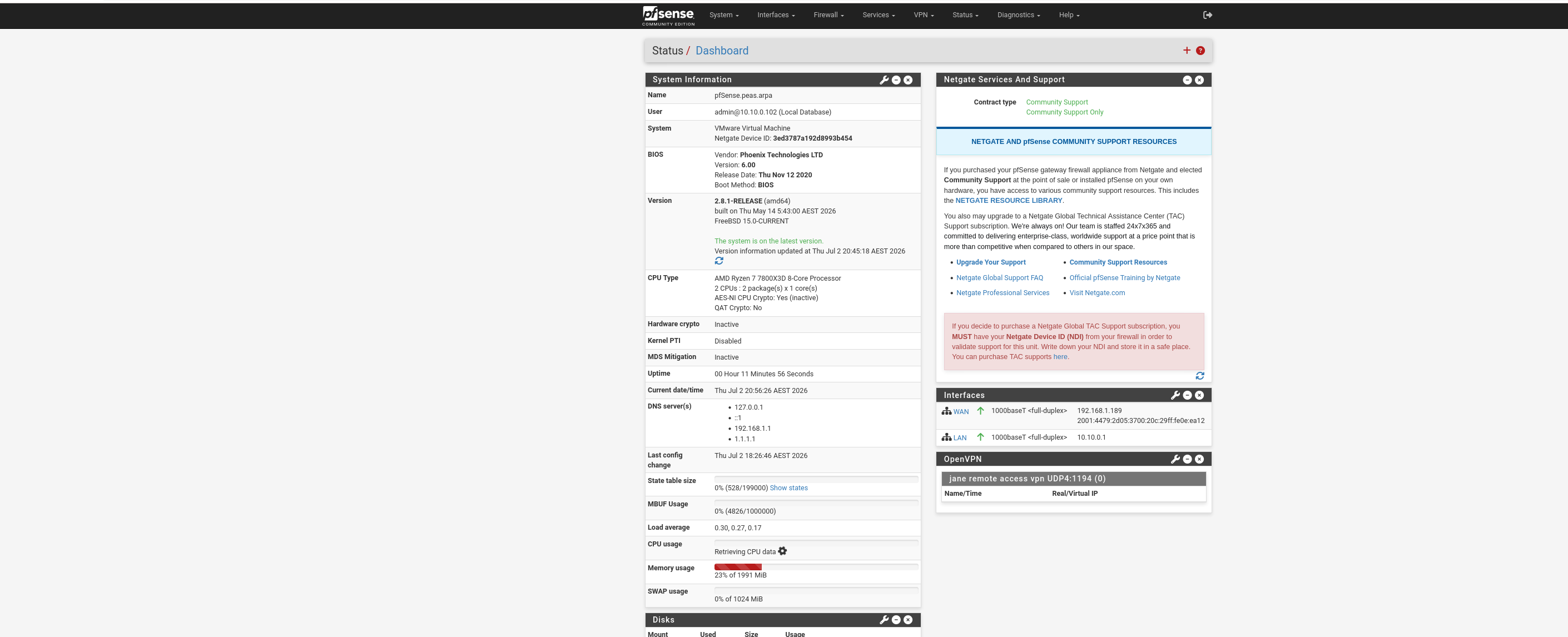
pfSense dashboard after the rebuild

Debugging a Dead VMware NAT and Hardening My pfSense Containment Lab

I run my Claude Code work inside a Debian 13 VM (CLAUDDEB) on VMware Workstation Pro 17.6.4, with a pfSense 2.8.1 VM in front of it as a virtual router and firewall. pfSense exists in this setup for containment: if something on the Debian VM misbehaves — a prompt injection, a compromised dependency — it must not be able to reach my PC, my router’s admin page, or anything else on the home network. ...

2 July 2026
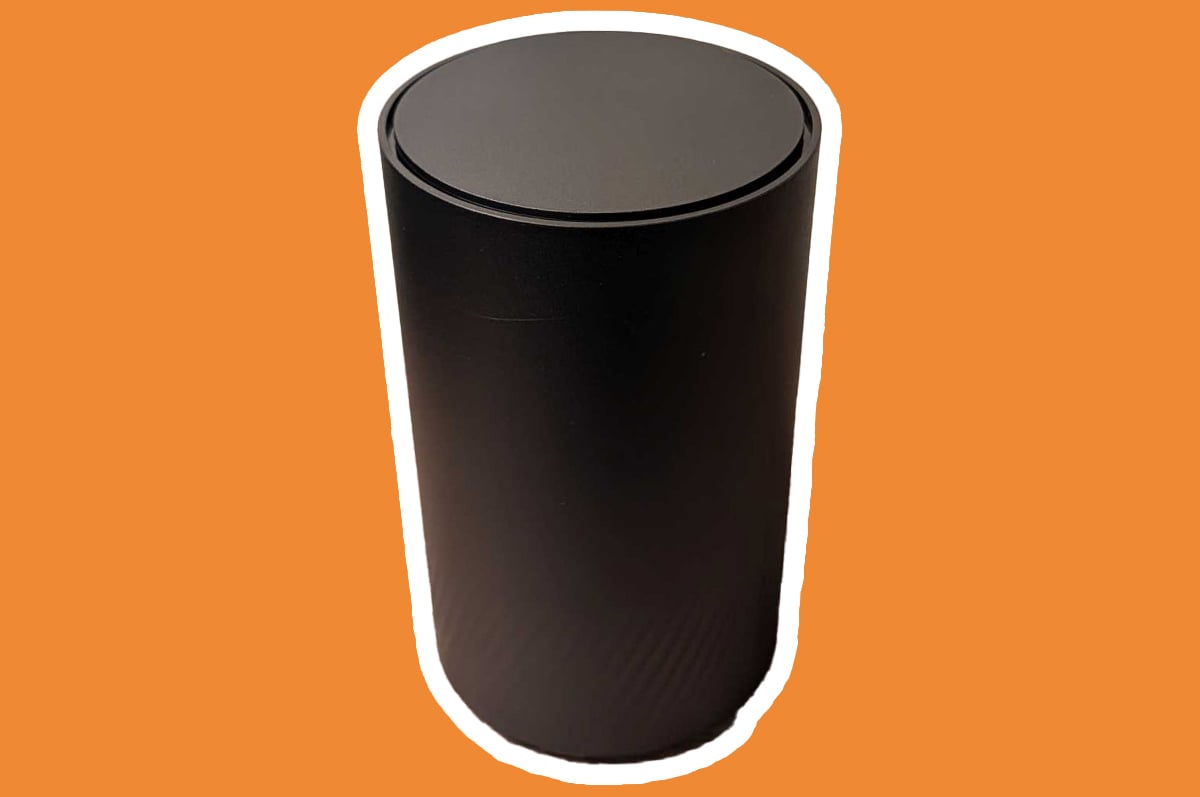
Arcadyan HWG2025 router

Hardening and Segmenting My Home Network on an Arcadyan HWG2025

This is a small home network — one router, a handful of devices. The point wasn’t complexity; it was applying the same discipline you would to a small office or lab environment. Treated that way, it doubles as practical study for Network+ and Security+. The router is an Arcadyan HWG2025 — the NBN-issued unit, Wi-Fi 7 with MLO, around 500 Mb down. An ISP router doesn’t give you much room to move, but it gives you enough to do this properly. ...

29 June 2026