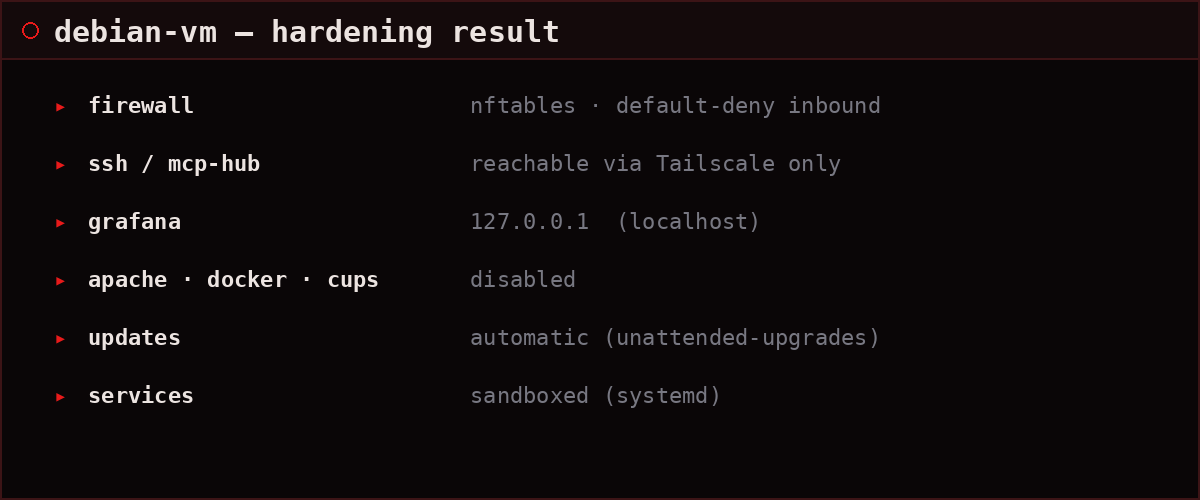
Terminal summary of the VM hardening result

Hardening My Debian Home-Lab VM — Even Behind pfSense

My Debian automation VM already sits behind a pfSense firewall with egress containment — it can reach the internet but not my home network. So why harden the VM itself? Because “behind a firewall” is doing less work than it sounds. Two paths reach into the VM without ever crossing pfSense, and an honest audit of my own box turned up drift I didn’t expect. This is the write-up: what the audit found, what I changed, and the systemd sandbox mistake that quietly broke a service. ...
7 July 2026
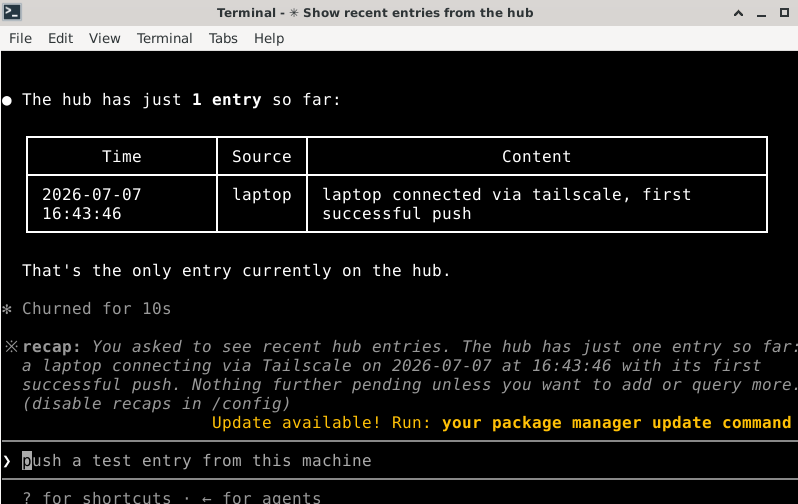
A note pushed from the laptop appearing on the hub via get_recent

Syncing Claude Code Across Devices with a Custom MCP Hub over Tailscale

I run Claude Code on two machines: the Debian VM in my home lab (always on) and a Debian laptop (sleeps, roams, follows me to campus). I wanted the laptop to push notes, facts, and findings into a central store on the VM — from any network — so the home-lab agent could pick them up later. Claude Code’s built-in Remote Control turns a second device into a remote window onto one session. That’s not what I wanted. I wanted both machines to stay fully independent agents, linked through a shared tool. So I built a small MCP server on the VM and pointed the laptop’s Claude Code at it: the hub becomes just another tool the laptop can call. ...

7 July 2026
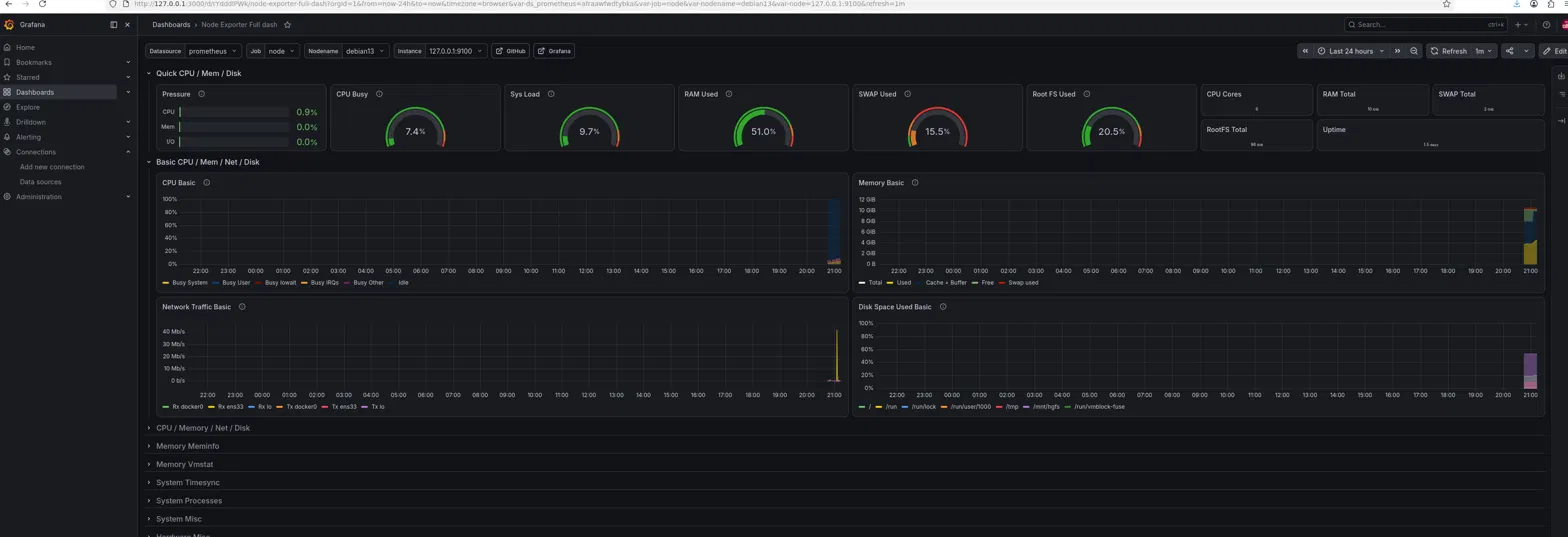
Grafana Node Exporter dashboard for the Debian VM

Building a Prometheus and Grafana Observability Stack for My Home Lab

My LaMetric display gives an at-a-glance read on the lab, but it’s a spot reading with no history — good for “is something on fire right now,” useless for “what happened overnight.” This project adds the layer underneath: a Prometheus + Grafana stack that scrapes my hosts continuously, stores the history, and draws real dashboards. Two targets: CLAUDDEB (my Debian automation VM) and my pfSense firewall, reusing the exact SNMP setup from the pfSense post — just pointed at something far more capable than a 37-pixel display. ...

6 July 2026
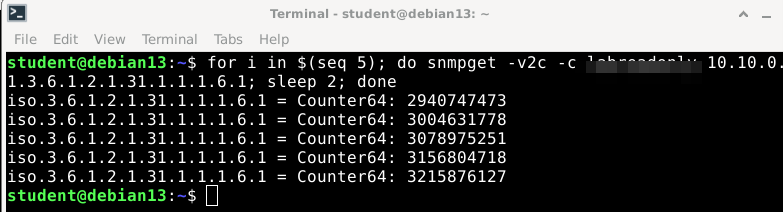
pfSense WAN byte counter climbing under SNMP polling

Implementing LaMetric TIME to Network Part 2

In part 1 I got a LaMetric Time showing live health from my home lab over MQTT, so it worked across my network isolation — CPU, memory, disk, uptime, and the automation VM’s own traffic, all from a single Debian box. Useful, but those were really that box’s stats. The frame the display was named for is my network’s throughput — the traffic crossing my firewall — and that data lives on pfSense, not the Debian box. This is the follow-up: pulling real WAN in/out rates off pfSense over SNMP and putting them on the display. It’s shorter than the MQTT build, because the pipeline already exists; all I’m adding is a new data source. Getting numbers out of pfSense is the part worth writing down. ...

6 July 2026
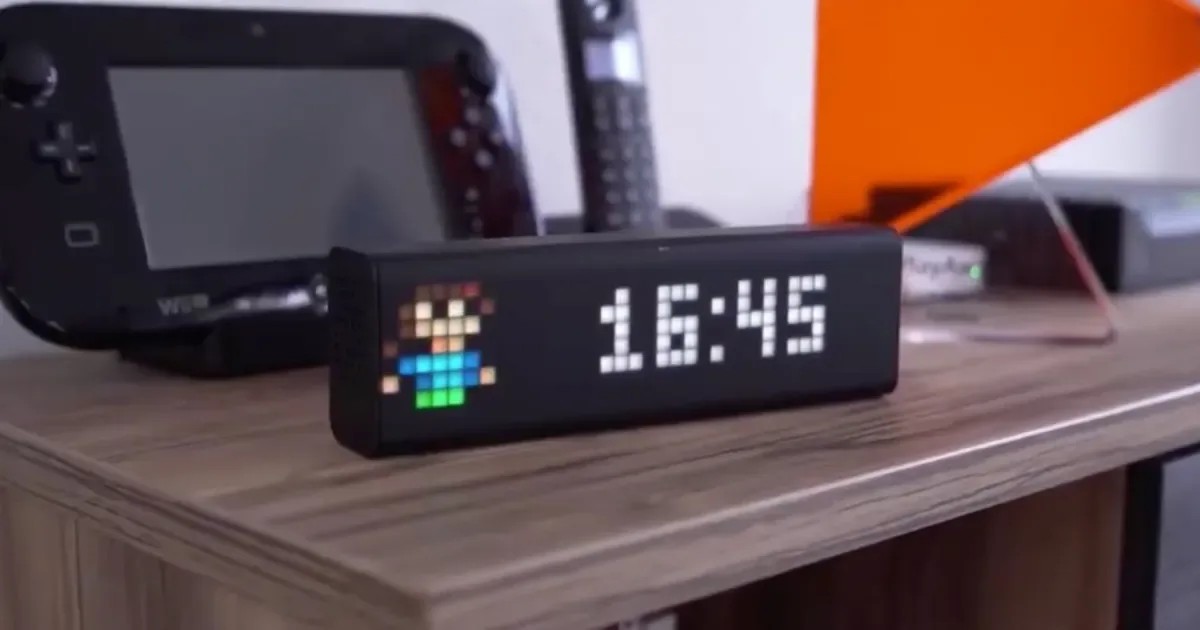
A LaMetric Time smart display

Implementing LaMetric TIME to Network

I picked up a LaMetric Time — an 8x37 pixel smart display — and after locking it down on an isolated guest network, the next move was to make it useful: live health from my home lab. CPU, memory, network throughput — the numbers worth a glance. The interesting part is that a constraint I’d deliberately built into my network dictated the whole architecture. This is the write-up: the design decision, the pipeline, and the gotchas — because the gotchas are the useful part. ...

5 July 2026
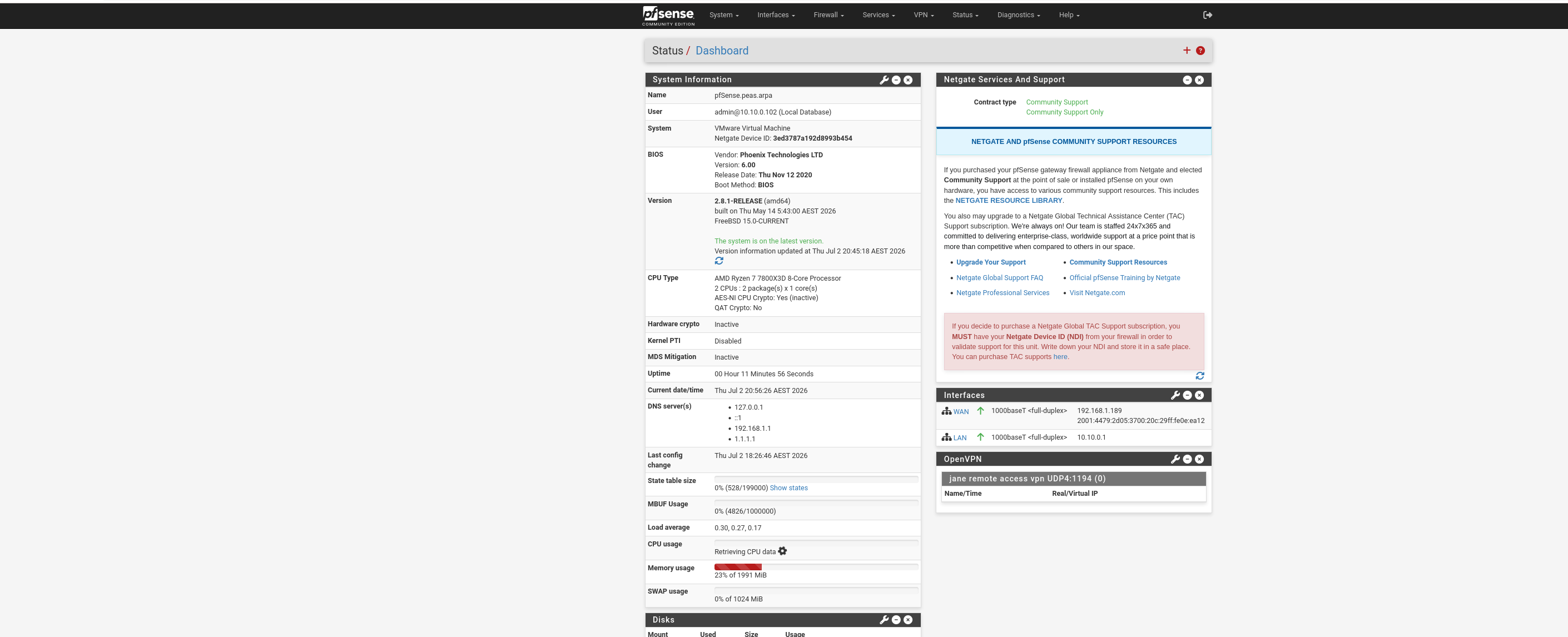
pfSense dashboard after the rebuild

Debugging a Dead VMware NAT and Hardening My pfSense Containment Lab

I run my Claude Code work inside a Debian 13 VM (CLAUDDEB) on VMware Workstation Pro 17.6.4, with a pfSense 2.8.1 VM in front of it as a virtual router and firewall. pfSense exists in this setup for containment: if something on the Debian VM misbehaves — a prompt injection, a compromised dependency — it must not be able to reach my PC, my router’s admin page, or anything else on the home network. ...

2 July 2026
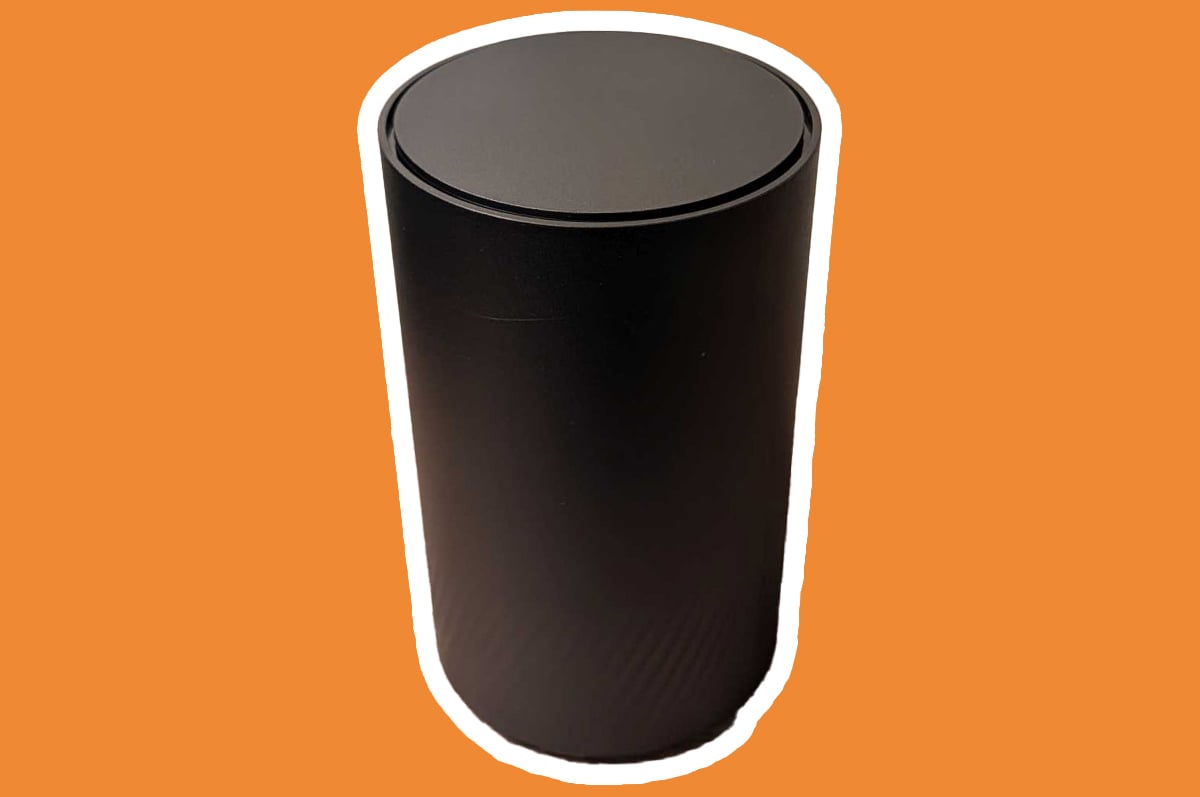
Arcadyan HWG2025 router

Hardening and Segmenting My Home Network on an Arcadyan HWG2025

This is a small home network — one router, a handful of devices. The point wasn’t complexity; it was applying the same discipline you would to a small office or lab environment. Treated that way, it doubles as practical study for Network+ and Security+. The router is an Arcadyan HWG2025 — the NBN-issued unit, Wi-Fi 7 with MLO, around 500 Mb down. An ISP router doesn’t give you much room to move, but it gives you enough to do this properly. ...

29 June 2026