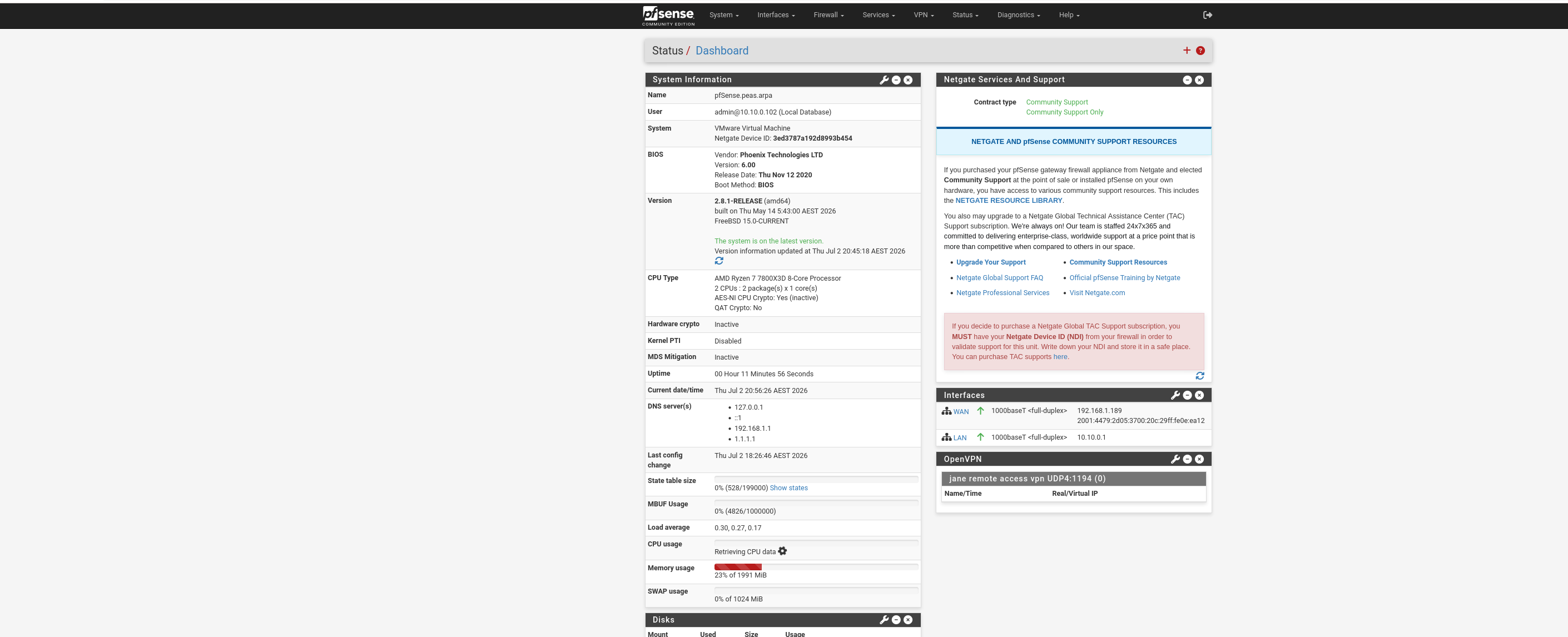
pfSense dashboard after the rebuild

Debugging a Dead VMware NAT and Hardening My pfSense Containment Lab

I run my Claude Code work inside a Debian 13 VM (CLAUDDEB) on VMware Workstation Pro 17.6.4, with a pfSense 2.8.1 VM in front of it as a virtual router and firewall. pfSense exists in this setup for containment: if something on the Debian VM misbehaves — a prompt injection, a compromised dependency — it must not be able to reach my PC, my router’s admin page, or anything else on the home network. ...

2 July 2026
Escape from Tarkov

Porting a TypeScript Game Mod to C# and Hardening It for Community Release

SPT-AKI (Single Player Tarkov) 4.0 rewrote the entire server from JavaScript/TypeScript to C#/.NET. Every SPT 3.x mod — loaded as .ts/.js files with a package.json — had to be rebuilt as a compiled .dll against the new C# API. The mod I ported is BiggerBang, written for SPT 3.9 by Thunderbags, whose author had gone inactive. It adds a full custom trader (Boris Bangski) with an extensive inventory — ammo, weapons, magazines, grenades, injectors, containers, armour, equipment sets — and 13 quests. I ported it to C# for SPT 4.0.x, verified it against 4.0.13, fixed five bugs found along the way, and released it to the community. ...

29 June 2026
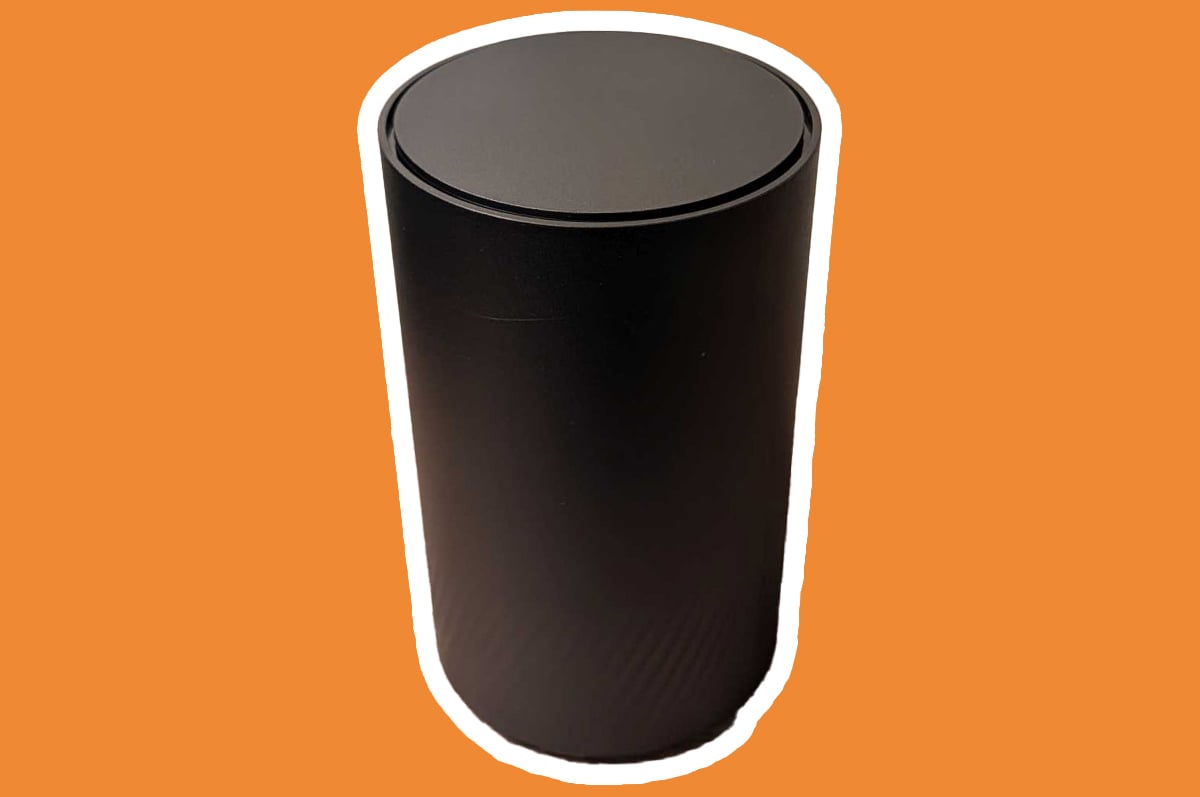
Arcadyan HWG2025 router

Hardening and Segmenting My Home Network on an Arcadyan HWG2025

This is a small home network — one router, a handful of devices. The point wasn’t complexity; it was applying the same discipline you would to a small office or lab environment. Treated that way, it doubles as practical study for Network+ and Security+. The router is an Arcadyan HWG2025 — the NBN-issued unit, Wi-Fi 7 with MLO, around 500 Mb down. An ISP router doesn’t give you much room to move, but it gives you enough to do this properly. ...

29 June 2026
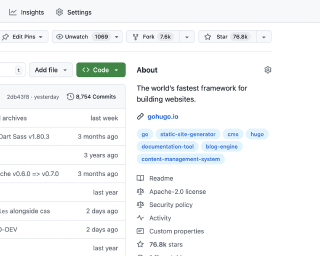
The Hugo blog running on GitHub Pages

Self-Hosting a Hugo Blog with a Claude Code Publishing Pipeline

The blog you’re reading was published by the pipeline this post describes. Why Hugo, and why self-hosted I needed somewhere to document real technical work — networking, security, mod projects — that I could point to from LinkedIn. Hosted platforms were out: no content ownership, paywall friction, someone else’s branding. Hugo won on attack surface. It’s a single Go binary — no Node, no node_modules, no npm dependency tree to patch and audit. For a security portfolio, the blog itself should be as defensible as the work it documents. It builds to plain static files, so serving is trivial; the trade-off is owning uptime and patching, which for this use case is a feature. ...

29 June 2026